Miami Itinerary: Things to Do, Places to Visit & Budget Tips
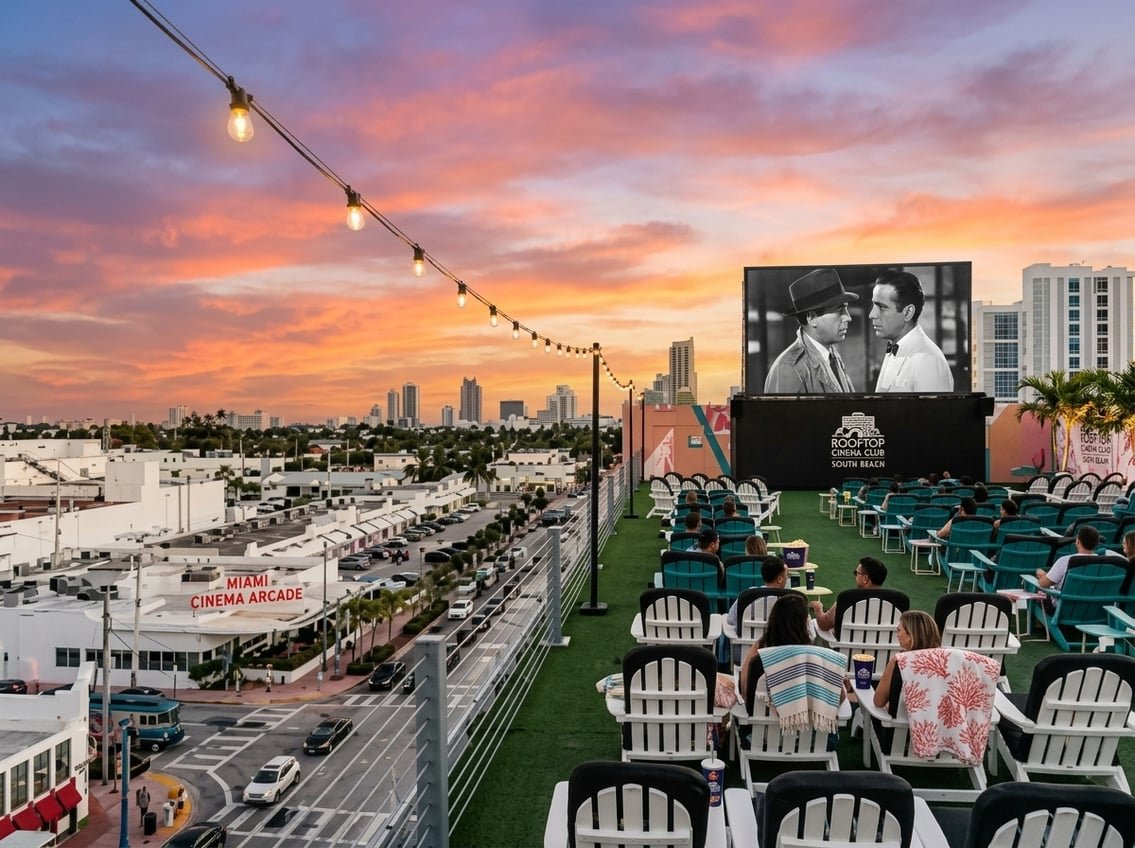
Miami’s got a little something for everyone—stunning beaches, wild street art, Cuban food, and world-class museums. You can wander South Beach’s Art Deco district, stroll through Wynwood’s murals, visit Little Havana for a taste of Cuba, and kick back on the sand—all in one trip. Whether you’re in for a weekend or a whole week, you’ll find plenty to fill your days.
You don’t have to spend big to have a blast in Miami. Tons of top spots—beaches, art districts, and local neighborhoods—are free to check out.
With a little planning, you can mix in a few splurges for the stuff you really care about and keep the rest easy on your wallet.
This guide’s packed with the best things to do in Miami Beach and beyond. You’ll get tips for planning, neighborhood highlights, shopping ideas, and ways to get the most out of the city without blowing your budget.
Key Takeaways
- Miami’s got a unique blend of beaches and culture—think Wynwood, Little Havana, and South Beach.
- Lots of the coolest attractions (beaches, art districts, parks) are free or cheap.
- Keep your plans loose so you can balance the big sights with unexpected finds, depending on your mood and budget.
Essential Tips for Planning Your Miami Adventure
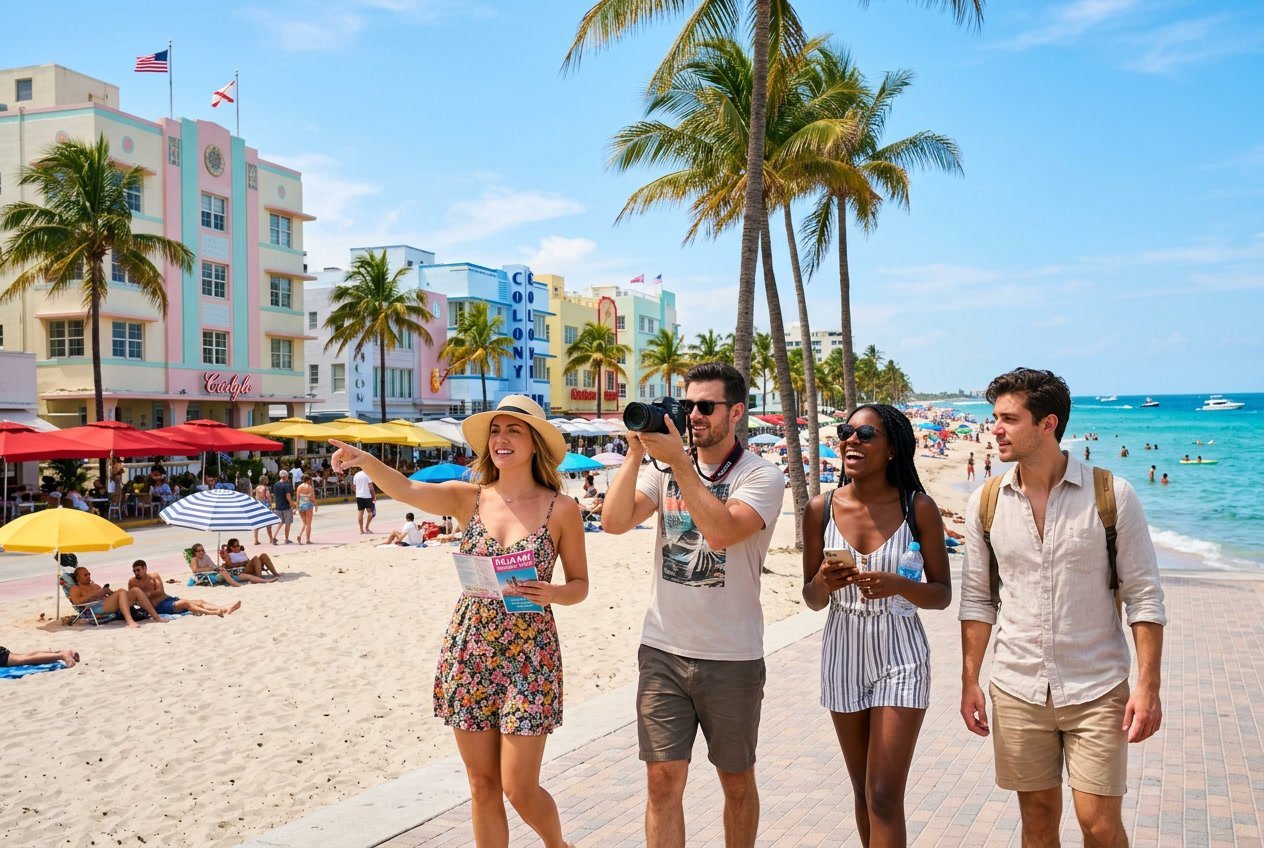
Miami’s tropical weather stays warm all year, but when you visit can really change your experience. You’ll want to figure out how to get around too, since everything’s pretty spread out.
Picking where you stay makes a big difference—some areas are just way easier for exploring.
Best Time to Visit Miami
November to April is the sweet spot—temps hover in the 70s and 80s, and rain is rare. It’s perfect for beach days and not too humid.
May through October, though, it gets sticky and hot, with afternoon storms and temps in the upper 80s and 90s. Hurricane season runs June to November, with August and September being the riskiest.
Winter brings the crowds and higher hotel prices. If you’re trying to save, May or early June can be a good deal—weather’s still nice, and prices dip. September and October have deals too, but you’ll probably get more rain.
Spring break (March-April) is wild—especially on Miami Beach. Book your place early if you’re coming then, or you might get stuck with slim pickings.
Getting to and Around Miami
Miami International Airport is about 8 miles from downtown. Taxis, rideshares, and the Miami Beach Airport Express bus all get you where you need to go.
If you want to see a bunch of different neighborhoods, renting a car is handy. Parking in South Beach and downtown can be pricey, but it’s easier (and usually cheaper) in Coconut Grove or Key Biscayne.
The Metromover is free and loops through downtown Miami and Brickell—super convenient if you’re hanging out there. The Metrorail reaches some outer neighborhoods but doesn’t go to Miami Beach.
For short hops, rideshares are easy. Lots of people skip the car rental and just use rideshares plus walking, especially if they’re sticking to the beach area.
Where to Stay for Convenience and Value
Miami Beach is the classic choice—right by the ocean and close to restaurants, shops, and nightlife. South Beach is the liveliest (and priciest), while Mid-Beach and North Beach are usually quieter and a better value.
Downtown Miami and Brickell are good if you want to use the Metromover and check out the business district, Bayside, or museums. Hotels here can be cheaper than beachfront ones, especially in high season.
Coconut Grove is more laid-back, with local shops and parks by the water. You’ll need a car or rideshares to get to the beach from here, though.
Key Biscayne is chill, with beautiful beaches and fewer crowds than Miami Beach. You’ll need a car, but it’s a great spot for families or anyone wanting a slower pace.
Iconic Miami Beach Experiences
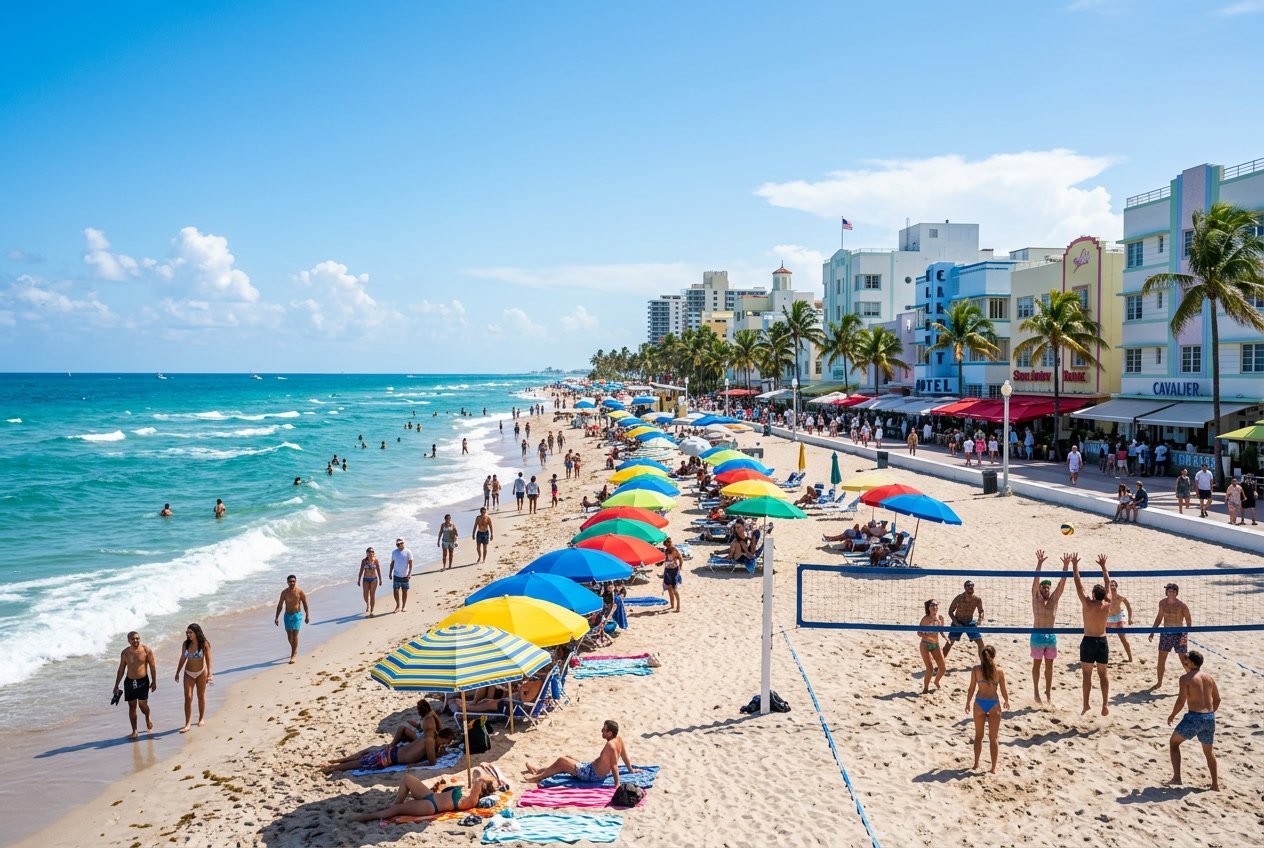
Miami Beach is all about sandy stretches, colorful buildings, and lively hangouts. The real magic is mixing beach time with walks through historic neighborhoods and green spaces.
Exploring South Beach and Ocean Drive
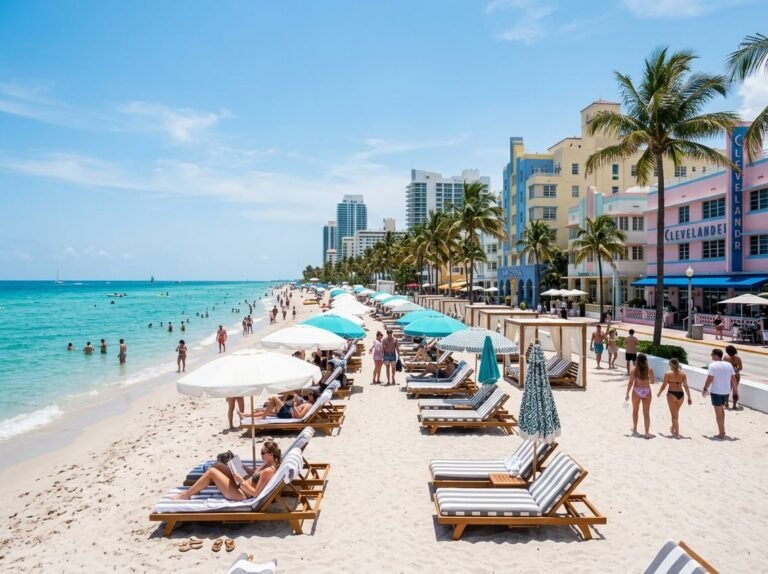
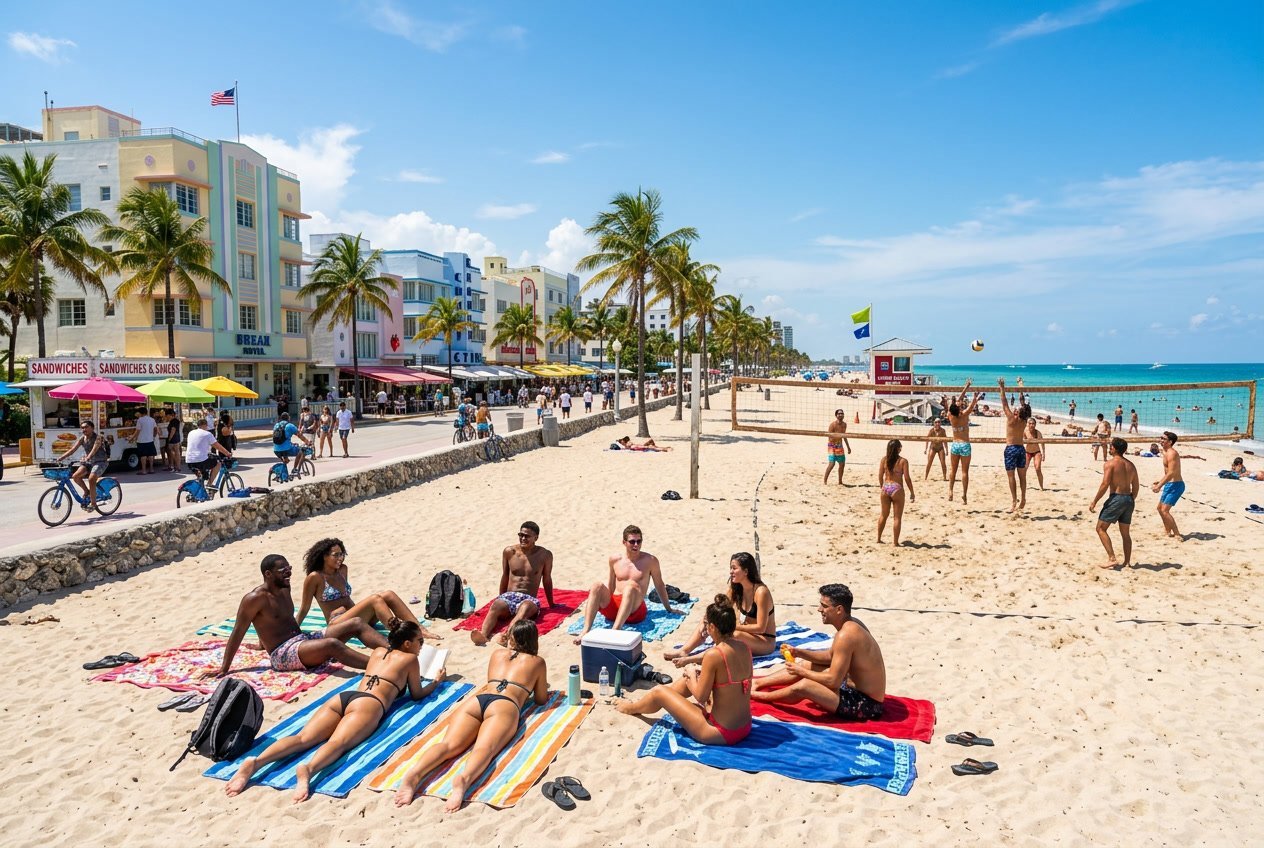
South Beach is famous for a reason. The shoreline is gorgeous—perfect for swimming, sunbathing, or just renting a chair and people-watching.
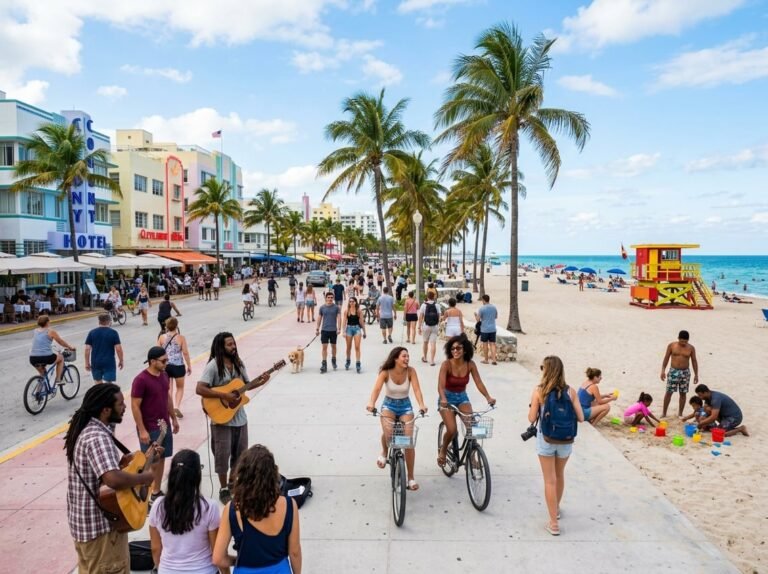
The water’s warm most of the time, and the sand is ridiculously soft. Ocean Drive runs right next to the beach and is lined with pastel buildings, open-air cafes, and restaurants. Classic cars park along the street, and performers pop up all over.
It’s busy during the day, but at night, Ocean Drive really lights up with music and neon. Lummus Park sits between Ocean Drive and the sand, with palm trees, volleyball courts, and walking paths. If you need a break from the beach, it’s a good spot to chill or maybe join a game of volleyball.
South Pointe Park is at the very tip of Miami Beach. It’s quieter, with a pier, playground, and a great view of cruise ships heading out to sea.
Strolling the Historic Art Deco District
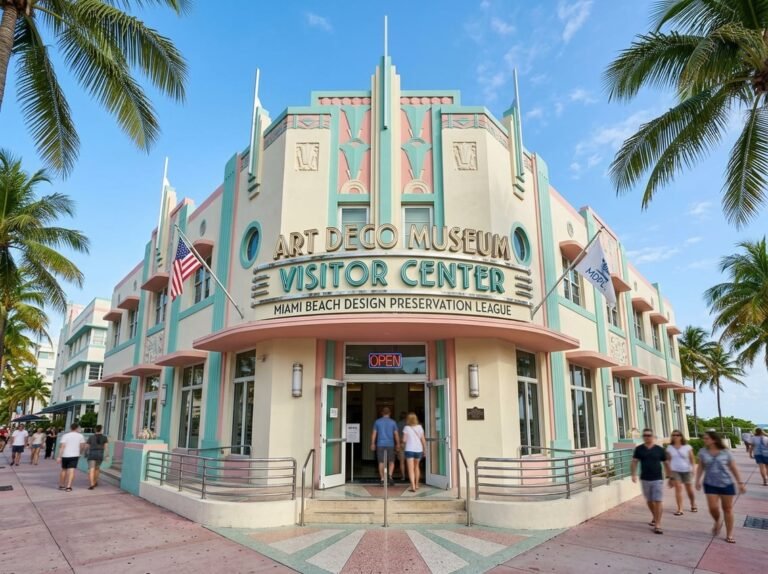
The Art Deco Historic District covers about a square mile in South Beach. There are more than 800 buildings from the 1920s to the 1940s, all with those cool rounded corners, bright colors, and neon signs.
You can wander around on your own or join an Art Deco tour if you want the backstory. Tours usually last about 90 minutes and point out details you’d probably miss—like quirky friezes or porthole windows.
Ocean Drive, Collins Avenue, and Washington Avenue are the best streets to explore. Early morning or late afternoon is best for photos, with softer light. Lots of these buildings are now hotels, shops, or restaurants, so you can pop inside some of them too.
Relaxing at Parks and Miami Beach Botanical Garden
Miami Beach Botanical Garden is a free 2.6-acre garden right in the city. It’s surprisingly peaceful, with tropical plants and a little Japanese garden.
The garden’s open Tuesday through Sunday, and it’s a nice spot to cool off after the beach. They host events and workshops now and then, so check the calendar if you’re curious.
There are other waterfront parks around Miami Beach, too. These green spaces are good for a picnic, a water break, or just watching the boats cruise by.
Shopping and People-Watching on Lincoln Road
Lincoln Road is a pedestrian street running through South Beach. Lincoln Road Mall isn’t your typical mall—it’s open-air, with chain stores, indie boutiques, art galleries, and restaurants with outdoor seating.
Honestly, it’s one of the best places to people-watch. Street artists and musicians set up along the way, and weekends get especially busy with a mix of locals and visitors.
- Shopping options: Big brands, local designers, and souvenir spots
- Dining: From casual cafes to fancy restaurants
- Entertainment: Musicians and street performers
On Sunday mornings, there’s a farmers market with fresh produce, baked stuff, and handmade goods. It’s year-round and always draws a crowd.
Must-See Neighborhoods and Cultural Spots
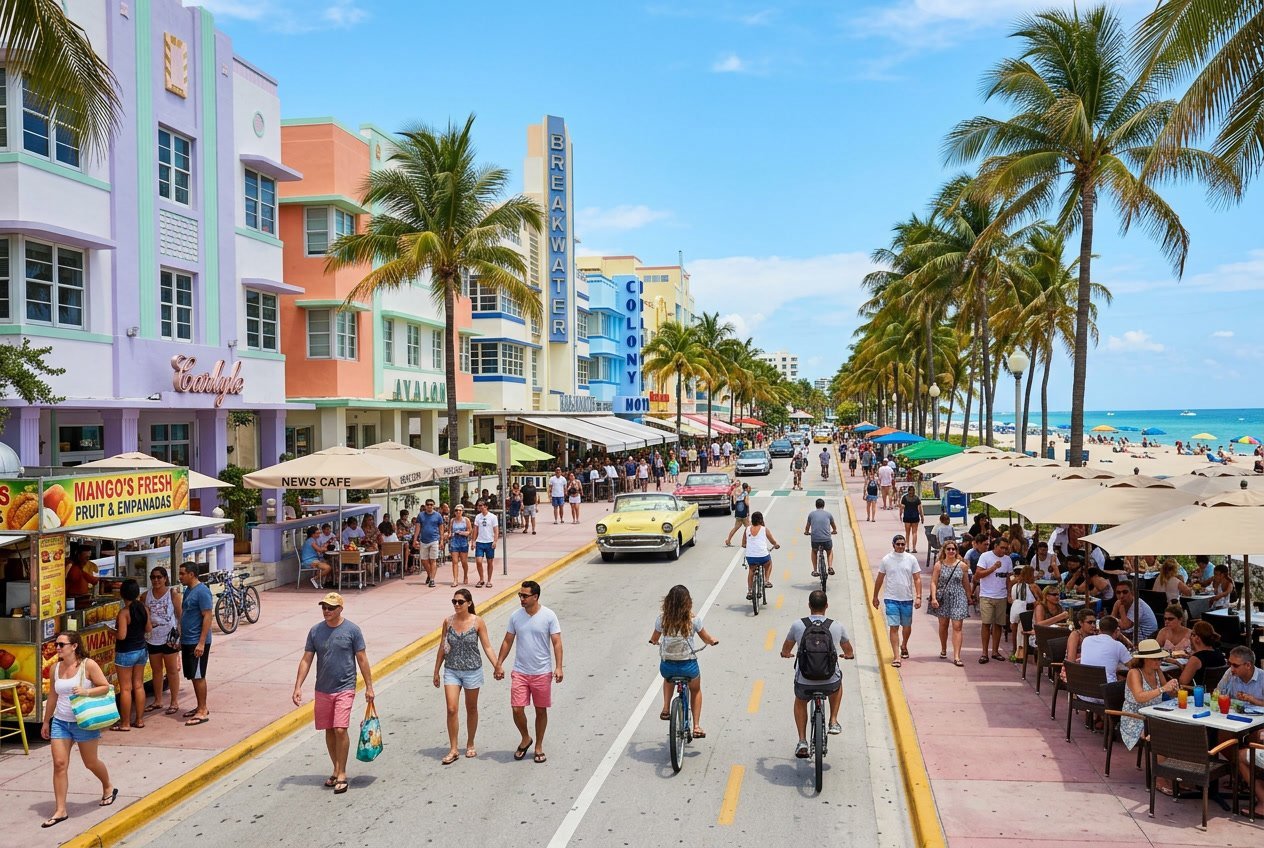
Every Miami neighborhood feels different. Wynwood’s got wild street art, Little Havana pulses with Cuban energy, Coral Gables has historic architecture, the Design District is all about shopping, and Coconut Grove sits by the water with a chill vibe.
Vibrant Art and Street Murals in Wynwood
Wynwood’s where Miami’s creative side really shines. It used to be warehouses, but now it’s a massive open-air street art gallery. You could spend half a day just wandering and spotting new murals.
Wynwood Walls is the main draw—an outdoor museum with huge murals by artists from all over. The art changes often, so there’s always something new. Plus, it’s free, which is always a win.
The art spills out into the whole neighborhood. Every building, garage, or alley seems to have something cool painted on it. There are galleries, design shops, and breweries tucked among the murals. If you’re around on Second Saturday, check out the art walk—galleries stay open late, and the streets fill up with food trucks and live music.
Cuban Heritage in Little Havana
Little Havana drops you right into the heart of Miami’s Cuban community. Calle Ocho (8th Street) is the main artery, always buzzing with life.
Stop by Versailles Restaurant for a Cuban sandwich and a tiny cup of cafecito. The place has been a local hangout since the ’70s. You’ll catch folks debating politics at the walk-up window, sipping Cuban coffee. For cigars, El Titan de Bronze lets you watch the old-school rolling process up close.
Domino Park (Maximo Gomez Park) is where older guys play dominoes under a covered pavilion. You can watch, but you probably won’t get invited to play unless you’re a regular. Little Havana food tours are a fun way to find hidden gems—usually includes croquetas, empanadas, fresh juices, and coffee.
Chic Vibes of the Design District and Downtown
The Miami Design District is where luxury shopping meets public art. You’ll spot names like Dior, Hermès, and Louis Vuitton, but also a bunch of contemporary galleries tucked in between.
The best part? The outdoor installations and sculptures—totally free to wander and enjoy.
Downtown Miami and Brickell are a different scene. Brickell’s all business by day, with shiny towers and rooftop bars for happy hour.
Bayside Marketplace hugs the waterfront in downtown. It’s touristy, sure, but you can stroll around for free and catch views of the bay and the cruise ships coming and going.
Water taxis leave from Bayside if you want to see the city by boat. Downtown’s also home to the Pérez Art Museum Miami (PAMM), where modern art meets killer bay views.
Historic Sights in Coconut Grove and Coral Gables
Coconut Grove is Miami’s oldest neighborhood, and you can feel the laid-back vibe right away. It’s nothing like the buzz of South Beach.
CocoWalk just got a facelift—it’s now a lively outdoor spot for shopping and dining. The Grove has leafy streets, waterfront parks, and sailboats bobbing nearby.
Coral Gables was a planned community from the 1920s. Mediterranean Revival buildings are everywhere you look.
Miracle Mile is the main drag, lined with local shops and restaurants. It’s a nice place to wander, even if you’re just window shopping.
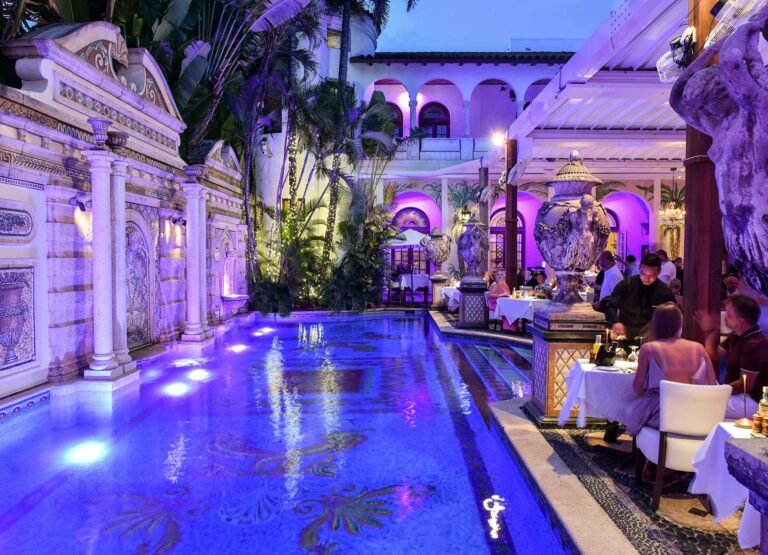
The Venetian Pool is probably the most famous thing in Coral Gables. Built in 1923 from a coral rock quarry, it’s filled with spring water and surrounded by waterfalls, caves, and palm trees.
Admission’s about $20 for adults, and the pool closes in winter for maintenance—so double-check before you go.
Nature, Art, and Budget-Friendly Activities
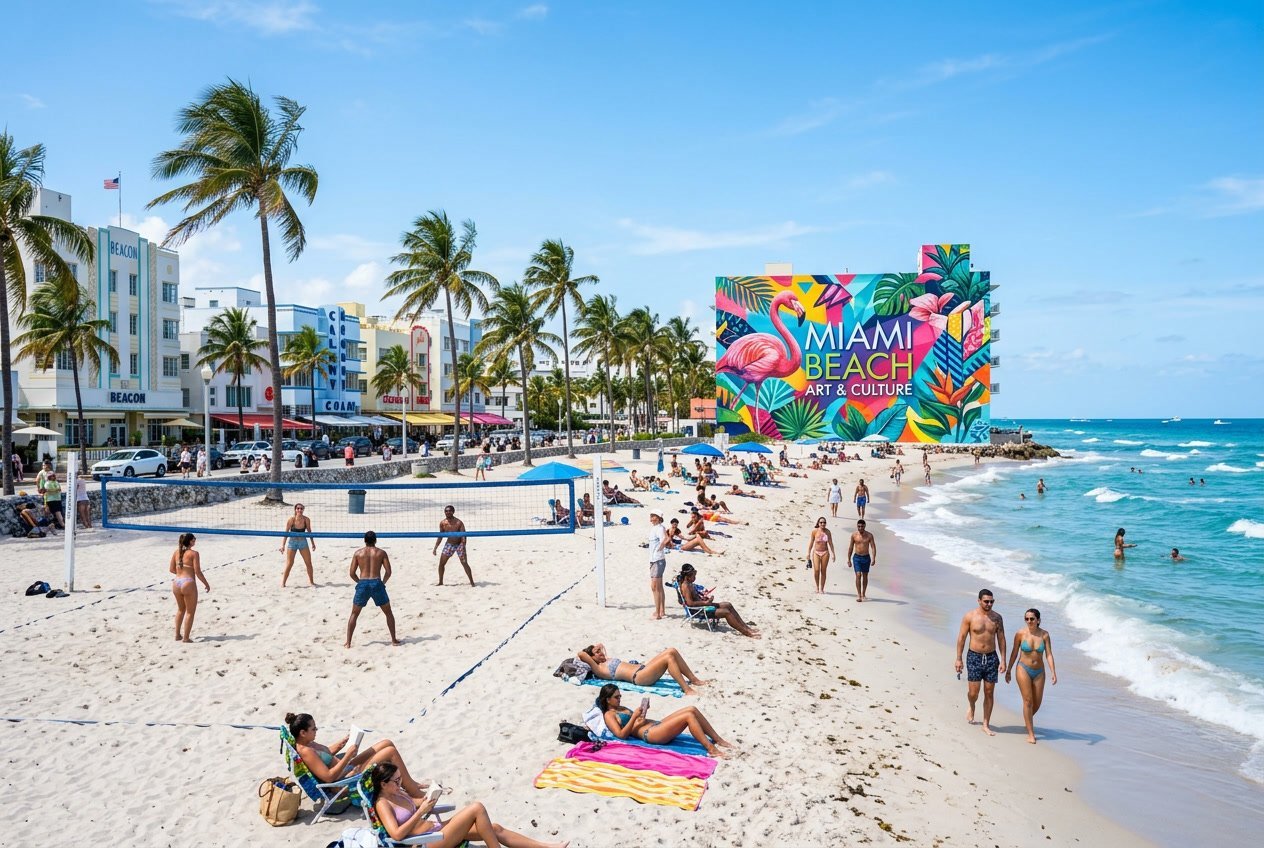
Miami gives you a shot at world-class nature preserves, edgy art museums, and a ton of things to do that won’t break the bank. There’s everything from Everglades wetlands to free museum nights and wild shopping districts.
Day Trips to the Everglades and Biscayne Bay
The Everglades National Park is less than an hour from downtown. Shark Valley’s got a 15-mile loop trail for biking—expect to see alligators and birds up close.
Entrance is $30 per car and lasts a week, so you can come back if you want. Biscayne National Park is mostly underwater, protecting coral reefs and mangroves.
You can kayak through tangled forests or snorkel around reefs. Key Biscayne is easier to reach if you want nature without the drive—check out Bill Baggs Cape Florida State Park or Crandon Park for beaches and trails.
The Miami Seaquarium on Virginia Key is good if you’re after marine life but want something more structured. If you’re up for a longer haul, Key Largo and Key West are classic day trips.
Museums and Art Spaces Worth Exploring
Pérez Art Museum Miami (PAMM) is free every second Saturday of the month. The museum focuses on contemporary art and the terrace out back looks right out over Biscayne Bay.
The Phillip and Patricia Frost Museum of Science has an aquarium and a planetarium. Tickets are about $30, but Miami-Dade locals get a break on the price.
Vizcaya Museum and Gardens is all about Italian Renaissance architecture and lush gardens. Fairchild Tropical Botanic Garden covers 83 acres with rare tropical plants. Both charge admission, but honestly, they’re memorable spots if you’re into that kind of thing.
Institute of Contemporary Art is free six days a week in the Design District. Oolite Arts runs free exhibits and events year-round.
The New World Center puts on free outdoor concerts and movies at Soundscape Park from October to May. It’s a fun way to catch live music without spending a dime.
Free and Affordable Things to Do
Miami’s public beaches? Always free. Haulover Beach charges a few bucks for parking and is popular with water sports fans.
The Miami Beach Botanical Garden is open six days a week (closed Mondays) and doesn’t cost a thing. It’s a small spot, but packed with flowering trees and over 1,200 orchids.
The Underline is a newer park under the Metrorail, offering free yoga, bike paths, and community events. Viernes Culturales pops up every third Friday in Little Havana, running from noon to 11pm.
Expect live music, street vendors, and Cuban food along Calle Ocho between 14th and 17th Avenues. Local farmers markets set up throughout the week in neighborhoods like Coconut Grove, Coral Gables, and the Upper East Side.
Wynwood Walls is the go-to for massive street art murals—just walk up and take it all in. Run clubs meet up a few times a week and welcome everyone, no matter your pace.
Jazz shows happen for free at bars like The Corner on Tuesdays and Neme on other nights. There’s always something going on if you poke around a bit.
Shopping Hotspots and Unique Miami Finds
Lincoln Road Mall runs for seven blocks, packed with both big-name stores and quirky local boutiques. It’s always buzzing, especially on weekends.
The Design District leans into luxury brands, but don’t skip MIA Market upstairs in Palm Court—it’s a food hall worth checking out.
Wynwood? That’s where street art meets indie shops. You’ll find handmade goods tucked into unexpected corners.
Little River Flea and Magic City Flea pop up on weekends, offering vintage treasures and crafts from local makers.
Aventura Mall is massive—one of the country’s biggest, actually. If you’re after deals, Dadeland Mall and Dolphin Mall have outlet stores and wallet-friendly spots.
CocoWalk in Coconut Grove mixes outdoor shopping with casual dining. Bayside Marketplace sits by the water downtown, so you get shopping plus a view of cruise ships drifting by.
La Sandwicherie in South Beach is a go-to for affordable French sandwiches, especially when you need a break from browsing. Down in South Dade, Redland Market Village runs Thursday through Sunday, with fresh produce and artisan stalls that are fun to wander.